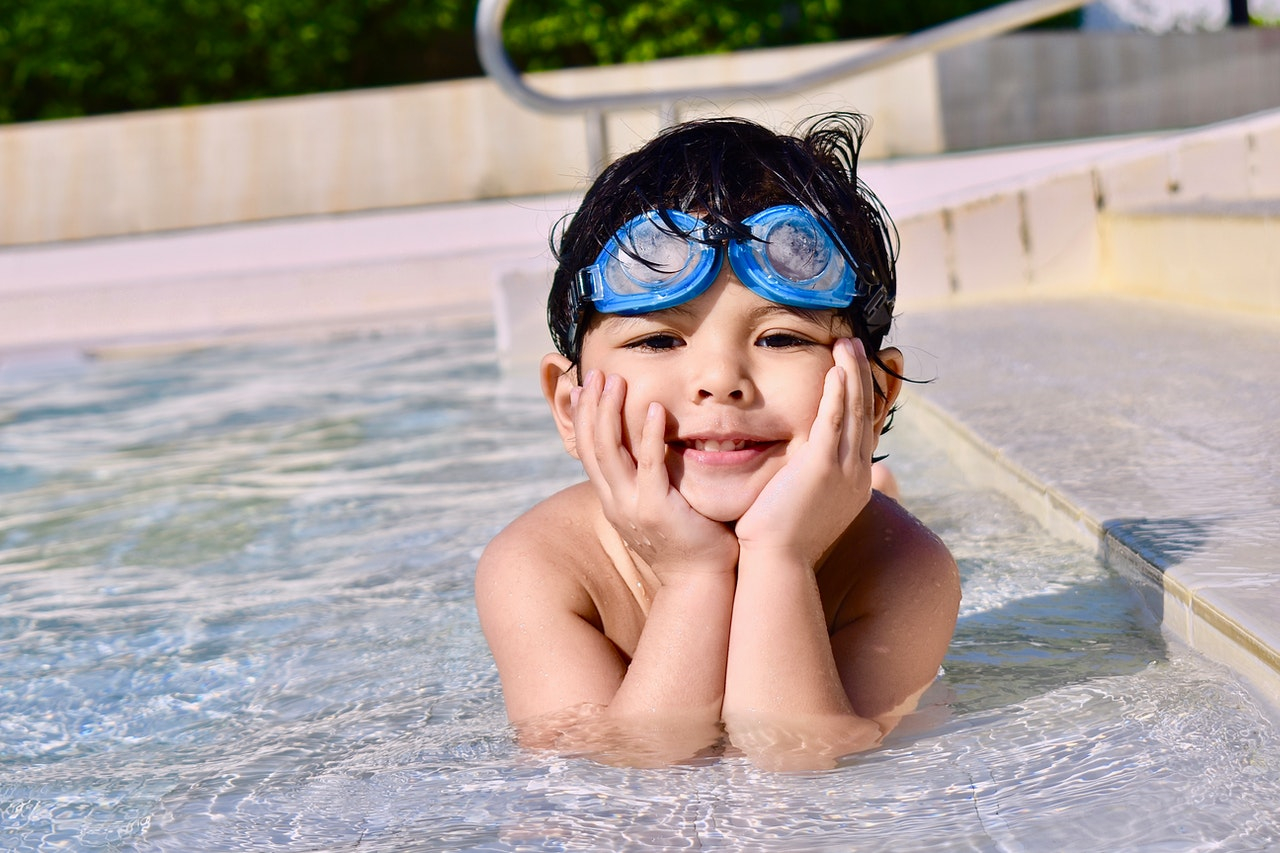
<p>For those who enjoy the pool during the summer months or for those who enjoy a pool all year round, these notes serve to avoid the side effects that may arise.</p><p><br></p><p>- When pool water comes into contact with the eyes, it removes the natural tears that lubricate them. The result? Dry and irritated eyes.</p><p>- Contact with chlorine, urine, and chemicals can cause irritation and inflammation of the conjunctiva (chemical conjunctivitis). It is recognized by red, irritated eyes, with the sensation of having "sand" in them, as well as blurred vision. Other common symptoms are eyelid swelling and sensitivity to light, and it can affect one eye or both.</p><p>- Even if the pool water is well-treated, chlorine and chemicals cannot always eliminate all contaminating bacteria, which can often lead to a bacterial eye infection. This is identified by discharge from one or both eyes, itching, burning, intense pain, and distorted or blurred vision.</p><p>- Additionally, chlorine mixed with urine can irritate the cornea, drying out the eyes and clouding vision.</p><p><br></p><p><strong>The six tips to avoid discomfort</strong></p><p><br></p><p>1. To avoid contact between treated water and the eyes, we recommend using protective goggles that fit snugly.</p><p><br></p><p>2. Keep the pool water clean and well-treated to control the maximum number of viruses and bacteria that can cause conjunctivitis (as well as other infections, such as in the ear, skin, or stomach). According to the Centers for Disease Control and Prevention (CDC), chlorine and the correct pH (the degree of acidity/alkalinity) of the water are the first line of defense for swimmers or those simply enjoying the water. In the pond or pool, the pH range should fluctuate between 7.2 and 7.8 and chlorine levels between 1 to 3 parts per million.</p><p><br></p><p>3. After leaving the pool, rinse your eyes well with fresh water.</p><p><br></p><p>4. If you feel your eyes are irritated or dry, use artificial tear drops.</p><p><br></p><p>5. Do not swim with contact lenses. Bacteria or viruses can accumulate in the space between the eye and the lens and cause an infection. Moreover, fresh water (like that from a lake or river) and pool water can cause the lens to shrink, which is uncomfortable and bothersome.</p><p><br></p><p>6. If for any reason it is not possible to remove the contact lenses, it is recommended to use disposable lenses or protective eyewear, and to change lenses immediately after swimming.</p>
Tornar a notícies